What is Rolfing? A Simple Guide to a Powerful Therapy
Rolfing is a hands-on therapy that helps your body move better, feel better, and stay balanced. It focuses on a thin, flexible tissue called fascia, which covers your muscles, bones, organs, and tendons like a web. Fascia is key to how your body moves, holds its shape, and maintains posture.
Why Fascia Matters
Fascia acts like a lubricant, letting your body parts slide and move smoothly. It also helps determine the length and flexibility of your muscles and tendons. But when you get injured, age, or move in unhealthy ways, fascia can harden, stick together, or shorten. This can throw your body out of alignment, causing pain, stiffness, or poor posture. Even small injuries can make fascia “lock” into a new, less flexible shape, which affects how you move and feel.
How Rolfing Helps
Rolfing uses gentle pressure and manipulation to soften and stretch fascia, making it more elastic and slippery again. A Rolfer works to balance and realign your entire body, helping it move more efficiently and with less strain. The result? Less pain, better posture, and easier movement.
The Big Idea Behind Rolfing
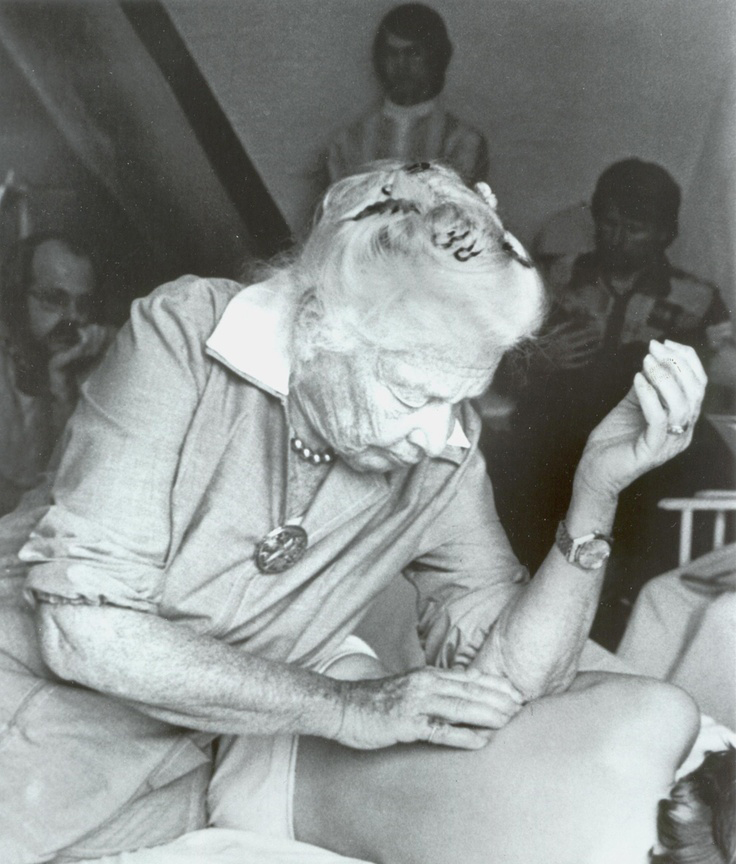
Dr. Ida Rolf, the creator of Rolfing, believed that many physical and emotional problems come from how our fascia interacts with gravity. Fascia is like the body’s internal scaffolding—it holds everything together but also keeps things separate so they can work properly. When fascia gets too tight or overgrows (like after an injury), it can limit movement and change how you stand or walk.Dr. Rolf saw fascia as the “organ of form,” meaning it shapes your body. By carefully working with fascia, Rolfing can restore its flexibility, align your body with gravity, and help you feel more comfortable and energized. Research backs this up, showing that Rolfing can create lasting improvements in how you feel and function.
What Makes Rolfing Special?
Rolfing isn’t just about fixing one sore spot—it’s about helping your whole body work better. It aims to find your body’s natural, optimal alignment, so you can move and live with ease. This holistic approach makes Rolfing a great option for people who haven’t found relief from other treatments or want to boost their overall well-being.
Who Benefits from Rolfing?
Many people try Rolfing when they’re frustrated with ongoing pain, stiffness, or low energy. It’s a trusted therapy that’s helped countless individuals feel better and improve their quality of life. Rolfing works well alongside other therapies and is especially popular with those who want a natural, whole-body approach to health.
Why Try Rolfing?
Rolfing can help prevent discomfort, improve how you move, and make you feel more connected to your body. Its biggest fans are the people who’ve experienced its benefits firsthand. If you’re looking for a new way to feel your best, Rolfing might be worth exploring.
Video filmed by Travis Anderson used with permission from my friend and Advanced Rolfer Briah Anson https://www.rolfing-briahanson.com/
 Body Work that Works with Miranda Dayvis